
What is an Etching?
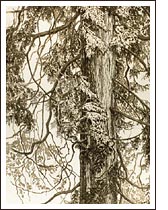 A metal plate (usually copper or zinc) is coated with an acid-resistant ground made of beeswax and resins. The artist draws an image on the prepared plate with a sharp implement, removing part of the ground and exposing the metal. The plate is then immersed in acid, which bites—etches—the exposed metal (drawing). The longer the plate remains in the acid, the deeper the lines. Variations of line thickness are possible with several acid baths; fine or light lines are stopped-out before each subsequent bath to prevent them from further etching. (Other techniques such as aquatint, soft-ground, and lift-grounds can be used separately to add tones and textures.)
After the metal has been sufficiently eaten away (etched), the plate is removed from the acid and cleaned and is ready to be inked. Stiff ink is applied to the entire plate and the excess wiped off, leaving ink only in the etched lines or roughened tonal areas. Large plates require one or more hours to ink and wipe.
In printing the image, the inked plate is placed face up on the printing press bed, then damp paper laid over the plate. As plate and paper ride through the rollers of the press, tremendous pressure forces the paper into the inked grooves, transferring the image (in reverse) to the sheet. (If desired, the plate can be left uninked before printing, resulting in a “blind embossment,” a raised image the color of the paper.)
The plate must be inked and wiped each time before it is printed. It has been hand-etched, hand-inked, hand-wiped, and hand-pulled through the press—making each print a true original. Prints can then also be hand-colored.
An etching is an intaglio (in-táll-yo), “below the surface.” All linear etchings—aquatints, any techniques which are bitten into the surface by acid—are intaglios, as well as engravings and drypoints (which do not employ acid treatment). The intaglio art form is one of the oldest, dating to the sugar aquatints of Picasso, the etchings of Whistler, the drypoints of Rembrandt, the engravings on knights’ armor, clear back to the incised images on Paleolithic cave walls.
©Mary N. Balcomb
[Illustration: “Alaska Cedar” — see larger version in Gallery]